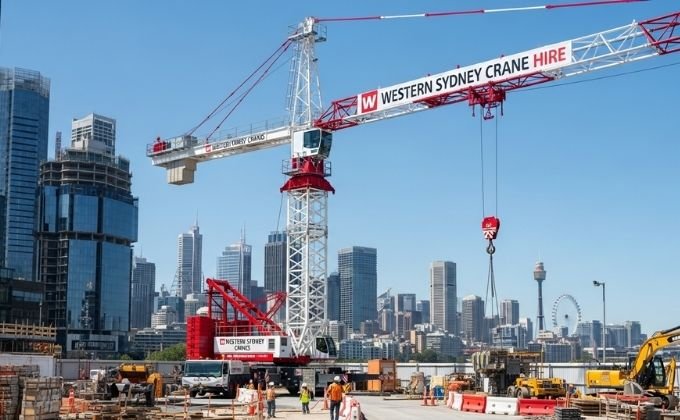
The construction industry continues to evolve rapidly, and one of the critical areas reflecting these changes is tower crane hire. As projects become more complex and urban spaces denser, the demand for efficient, safe, and technologically advanced cranes is at an all-time high. In 2026, several emerging trends are shaping the way construction companies approach tower crane hire, ranging from sustainability initiatives to digital integration and flexible rental solutions.
Rise of Smart and Connected Cranes
One of the most significant trends in tower crane hire in 2026 is the increasing adoption of smart, connected cranes. Modern tower cranes are no longer just mechanical devices; they are becoming part of the Internet of Things (IoT) ecosystem. Equipped with sensors and real-time monitoring systems, these cranes provide operators and site managers with data on load weights, wind conditions, and operational efficiency.
This connectivity enhances safety and reduces downtime. For construction firms, this trend means that choosing a tower crane hire service now often involves evaluating the technological capabilities of the crane, rather than focusing solely on its lifting capacity or reach.
Emphasis on Sustainability
Sustainability is no longer optional in construction—it’s a necessity. Companies offering tower crane hire are increasingly promoting eco-friendly cranes with electric or hybrid power systems. These cranes produce lower emissions compared to traditional diesel-powered models, aligning with global carbon reduction targets and local environmental regulations.
Moreover, crane manufacturers are innovating to create energy-efficient designs, reducing electricity consumption during idle periods and optimizing lifting operations. For construction projects, hiring such sustainable cranes not only benefits the environment but can also reduce operational costs, as energy-efficient cranes often require less maintenance and fuel.
Flexible and Modular Hire Options
The demand for flexibility is another key trend driving tower crane hire in 2026. Construction projects vary in duration and scale, and rigid, long-term contracts for crane hire are no longer always practical. Many rental companies now offer modular hire packages that can be adapted to specific project requirements.
This approach allows firms to hire cranes for short-term projects, extend rental periods if necessary, or swap cranes for models better suited to changing site conditions. Flexibility also extends to assembly and disassembly services. Companies can now hire cranes with pre-arranged logistics support, ensuring quicker installation and reduced disruption on busy construction sites.
Urbanization and Space Optimization
With urban areas growing denser, tower cranes must operate in increasingly restricted spaces. In 2026, tower crane hire services are trending towards compact, high-reach cranes that can maximize vertical space without compromising safety.
These cranes often feature telescopic jibs, higher lifting capacities at greater heights, and advanced stabilization systems. For city-based construction projects, this means that hiring the right type of crane can dramatically improve workflow efficiency, minimize interference with traffic, and comply with strict urban safety standards.
Integration with BIM and Construction Management Software
Digital construction tools are transforming how projects are planned and executed. Building Information Modeling (BIM) and construction management software now integrate crane operations into project timelines, enabling better coordination and resource allocation.
Companies offering tower crane hire are increasingly providing cranes compatible with these systems. Real-time data from cranes can feed into project management platforms, allowing site managers to anticipate delays, schedule maintenance, and optimize crane utilization. This digital integration reduces inefficiencies and helps ensure projects stay on schedule and within budget.
Enhanced Safety Features
Safety remains paramount in crane operations, and 2026 sees tower crane hire companies investing heavily in advanced safety mechanisms. Anti-collision systems, automatic load monitoring, and operator alert systems are now standard features for modern tower cranes.
For construction firms, hiring a crane with robust safety technology reduces the risk of accidents, protects workers, and ensures compliance with increasingly stringent health and safety regulations. Additionally, rental companies often provide trained operators and safety support as part of their services, making it easier for clients to manage on-site risks effectively.
Cost Efficiency and Economic Considerations
While technological advancements and sustainability improvements drive up the initial cost of cranes, tower crane hire offers a cost-effective solution for construction companies. Hiring cranes eliminates the need for large capital expenditure, reduces maintenance obligations, and allows firms to scale operations according to project demands.
In 2026, economic considerations continue to influence crane hire trends. Rental services that combine affordability with flexibility and technological sophistication are gaining popularity, especially for small-to-medium projects that cannot justify owning specialized equipment.
Conclusion
The landscape of tower crane hire in 2026 is defined by innovation, sustainability, and adaptability. From smart, connected cranes and energy-efficient systems to modular rental solutions and integration with digital construction tools, the industry is evolving to meet modern project demands. Construction companies that embrace these trends can improve operational efficiency, enhance safety, and maintain cost-effective practices while contributing to sustainable building practices.