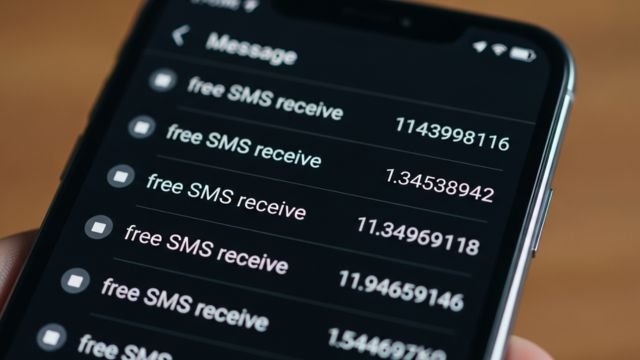
In an increasingly digital world, security and identity verification have become essential aspects of online interactions. One of the most widely used tools to ensure security is the verification number. A verification number is a unique code generated to authenticate a user’s identity, validate transactions, or confirm actions on digital platforms. Its widespread use across banking, social media, e-commerce, and other online services highlights its importance in maintaining secure and trustworthy digital interactions. Understanding what a verification number is and how it works can provide insight into why it has become a cornerstone of digital security.
A verification number is typically a temporary, single-use code that is sent to a user to confirm their identity or authorize an action. The code can be numeric, alphanumeric, or occasionally a combination of letters and symbols, depending on the platform. It is usually delivered through SMS, email, or authentication apps. Unlike traditional passwords, which remain the same until manually updated, a verification number is time-sensitive. It expires after a short period, usually a few minutes, making it highly effective at preventing unauthorized access even if intercepted by a malicious actor.
The process of using a verification number begins with a triggering event. For example, when a user logs into an online account, initiates a financial transaction, or registers for a new service, the system generates a unique code. This code, the verification number, is then sent to the user through a secure channel associated with their account, such as a mobile number or email address. The user must enter this verification number into the system to confirm their identity or authorize the requested action. This process ensures that the person performing the action is the legitimate account holder.
Verification numbers are central to two-factor authentication (2FA), a security measure that adds an extra layer of protection beyond passwords. In a typical 2FA setup, a user first enters their password, which serves as the first authentication factor. The system then prompts the user to enter a verification number, which serves as the second factor. This combination of something the user knows (the password) and something the user possesses (the verification number) creates a stronger defense against unauthorized access. Even if a password is compromised, a hacker cannot access the account without the verification number, making accounts significantly more secure.
Financial transactions heavily rely on verification numbers for secure processing. When a user makes an online payment, transfers funds, or performs other sensitive actions, the system sends a verification number to confirm the transaction. This step ensures that only the account owner can authorize the action. By requiring a verification number, digital payment platforms and banking apps reduce the risk of fraud, identity theft, and unauthorized access, providing users with confidence in the security of their financial activities.
Verification numbers also play a critical role in account registration and verification. Many online platforms require users to provide a valid email address or phone number during registration. The system then sends a verification number to confirm that the provided contact information belongs to the user. This prevents the creation of fake or spam accounts and helps maintain the integrity of the platform. By validating contact details, verification numbers ensure that communication between the service and the user is reliable and secure.
The technology behind verification numbers continues to evolve to meet modern security challenges. Platforms are increasingly integrating verification numbers with biometric authentication, such as fingerprint or facial recognition, and encrypted communication channels. This integration enhances security by combining multiple verification methods, making it much harder for attackers to bypass authentication measures. Verification numbers remain adaptable, evolving with new technology to maintain their effectiveness against emerging threats.
The use of verification numbers also supports regulatory compliance and data protection. Many industries are governed by strict security standards that require robust authentication methods. Incorporating verification numbers into login, transaction, and registration processes helps organizations meet these requirements. This not only protects users but also demonstrates a commitment to responsible handling of personal and financial data, enhancing trust between users and service providers.
While verification numbers are highly effective, their security depends on responsible usage. Users must ensure that codes are only entered on trusted platforms and never shared with others. Phishing attacks often target verification numbers, attempting to trick users into revealing their codes to unauthorized individuals. Awareness of such threats and careful handling of verification numbers is essential to maintaining their protective benefits.
In addition to security, verification numbers provide convenience. They allow quick and simple authentication without requiring users to remember complex passwords or answer multiple security questions. Codes are delivered instantly and can be used within seconds, balancing security with ease of use. This efficiency has made verification numbers an indispensable tool in modern digital interactions.
In conclusion, a verification number is a crucial element of online security that works by confirming a user’s identity, authorizing transactions, and protecting sensitive information. By providing a time-sensitive, single-use code, verification numbers enhance traditional password systems and form a critical part of two-factor authentication. Their applications in account registration, financial transactions, and regulatory compliance demonstrate their versatility and importance. Understanding how verification numbers work empowers users to protect their accounts, maintain secure online interactions, and navigate the digital world with confidence. As digital threats continue to grow, verification numbers remain an essential component of effective and reliable cybersecurity strategies.